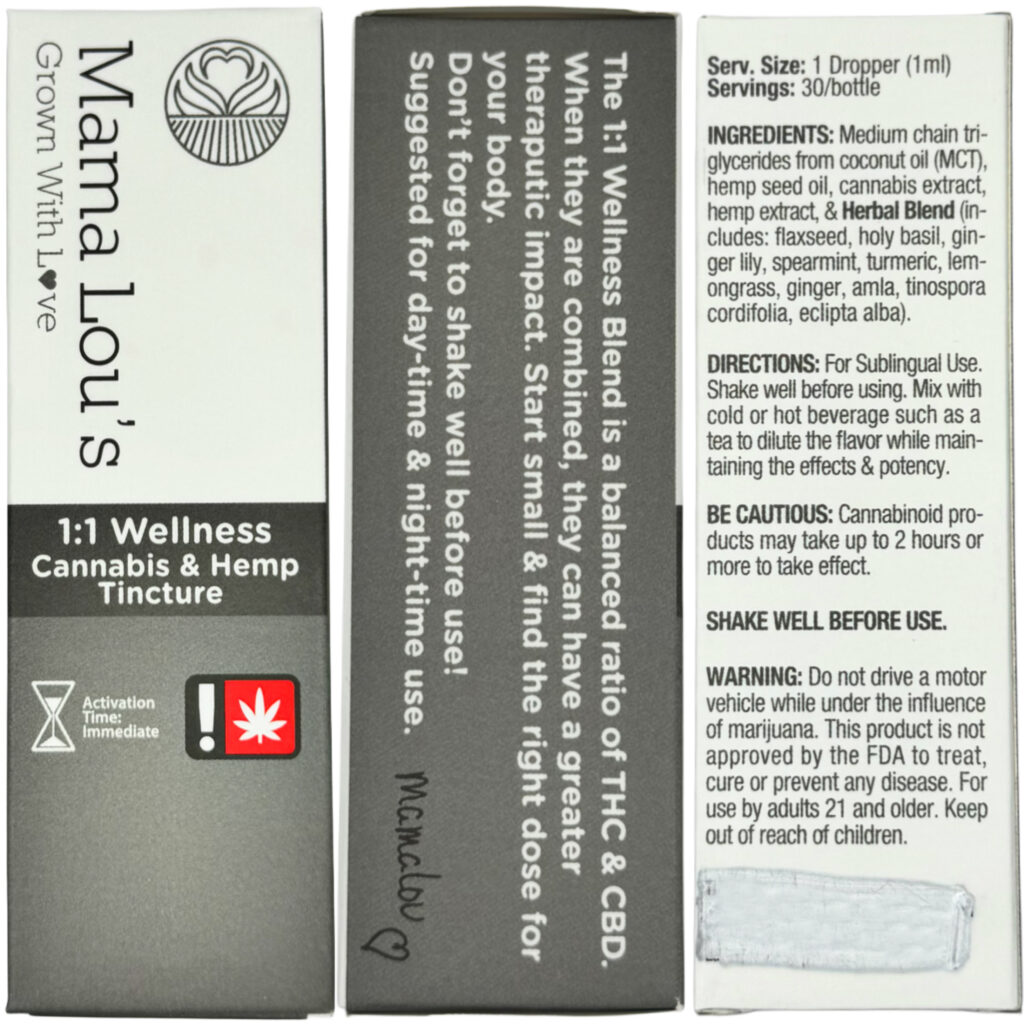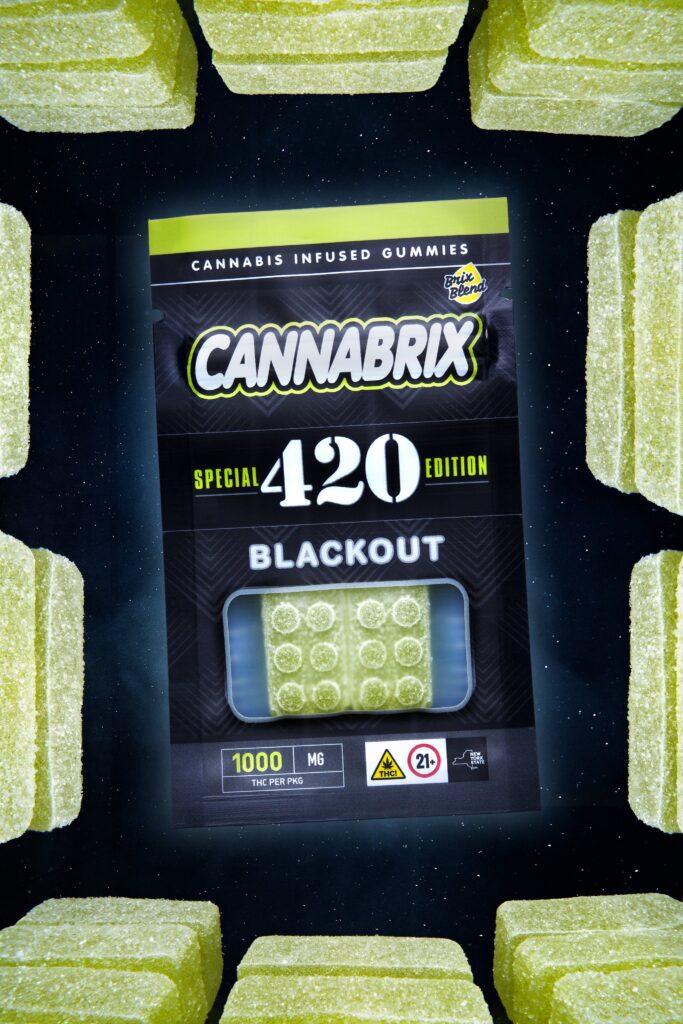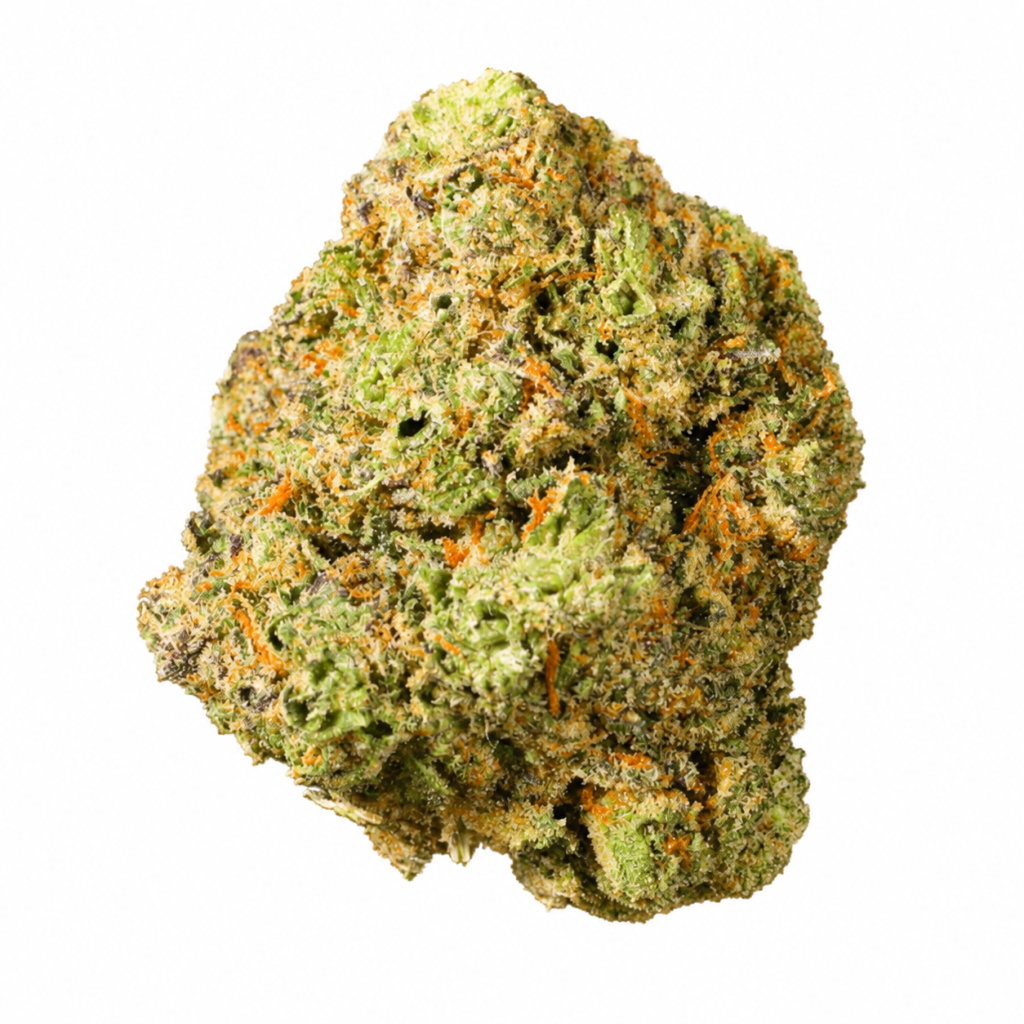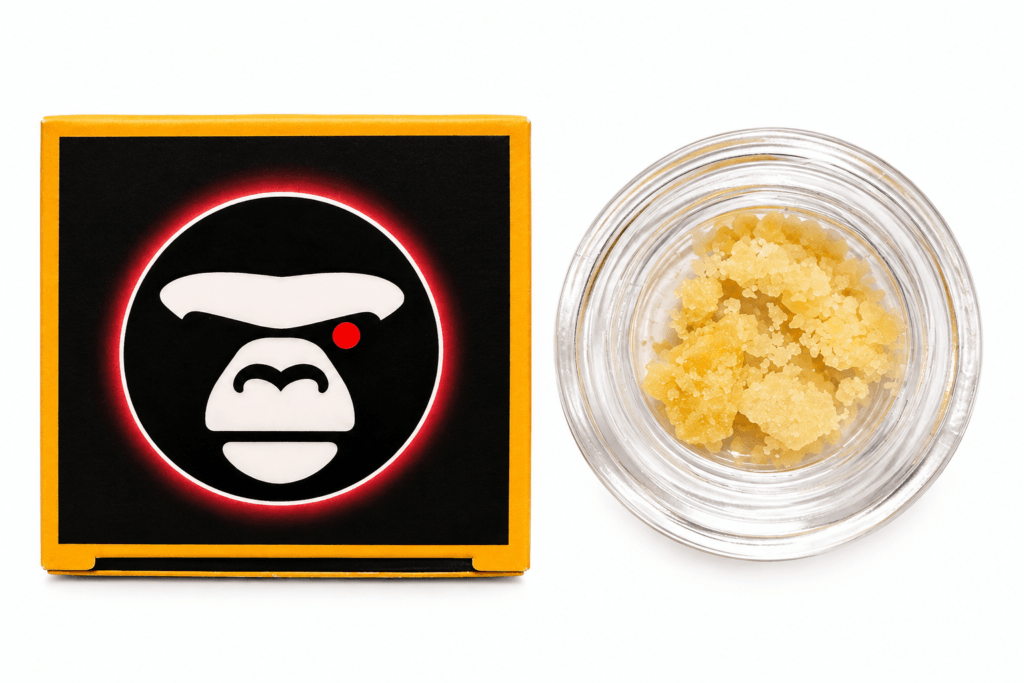

The sticker on your jar holds more info than most people ever read. You’ll find percentages, a batch number, a QR code and sometimes a terpene list. If you skip it, you’re guessing. If you read it, you know what you’re buying. This guide shows you how to read a cannabis label and COA so you can check potency, spot terpenes and confirm lab results before you spark up.
What’s on a Cannabis Label, Line by Line
Labels look busy, but most of them use the same basic setup. Here’s what each line tells you:
- Product and strain name: What it is and what the grower calls it.
- Net weight or total milligrams: Grams for flower and concentrates. Milligrams of THC for edibles.
- THC and THCA: The potency numbers. More on these below, because they trip up nearly everyone.
- CBD and CBDA: Often low or listed as ND (not detected) on THC-dominant products.
- Batch or lot number: The single most important line. It ties your product to its lab report.
- Harvest, package or test date: Tells you how fresh the product is.
- Lab name and QR code: Scan the code to pull up the COA.
- Warnings: Age limits, impairment notes and storage tips.
THCA vs THC: How to Calculate Total THC
Raw flower contains very little THC. Most of it sits in the plant as THCA, the acid form. Heat converts THCA into THC when you smoke or vape it. Some weight gets lost during that conversion, so you can’t just add the two numbers together.
The Total THC Formula for Flower and Concentrates
Here’s the math labs use:
Total THC = THC + (THCA × 0.877)
Say a label reads 25% THCA and 0.8% THC. Multiply 25 by 0.877 and you get 21.9. Add 0.8 and your total THC comes to about 22.7%. If a label only shows the big THCA number up front, you now know the real figure sits a bit lower.
Edibles: Milligrams per Piece
Edibles skip percentages and use milligrams. Find the total THC per package and divide it by the number of pieces. A 100mg pack with 10 gummies gives you 10mg per gummy. The live rosin gummies from Neighborhood Gardens and the APE gummies on our menu today both come in 100mg packs, so the per-piece math stays easy. Start low, wait a full two hours, and don’t double up because you got impatient.
✅ Did you know? 1% THC equals 10 milligrams per gram. So an eighth (3.5g) testing at 20% total THC holds about 700mg of THC. That’s why a joint and a gummy hit so differently, even when the numbers look similar.
How to Read a COA (Certificate of Analysis)
A COA is the lab report behind the label. It’s where the label’s claims get checked. Follow these steps every time:
- Match the batch number. The lot number on the COA should match the one on your package exactly. If it doesn’t, the report covers a different batch.
- Check the lab and the date. Look for a real lab name, contact info and a test date that makes sense. A report from two years ago on a product sold as fresh should make you suspicious.
- Read the cannabinoid panel. You’ll see THCA, THC, CBDA, CBD, CBG and others. Most panels list results as both a percentage and mg/g. Look for a total THC line.
- Scan the terpene panel. It isn’t always included. When it is, it lists each terpene plus a total.
- Review the safety tests. Good COAs cover pesticides, heavy metals, microbials such as mold and yeast, mycotoxins, and moisture or water activity. Concentrates should also show residual solvents.
- Look for pass or fail. Every safety section should say pass, or show results below the listed limit.
COA Terms That Confuse People
- ND: Not detected. The lab looked and found nothing above its threshold.
- LOQ: Limit of quantitation. It’s the smallest amount the lab can measure with confidence.
- As received vs dry weight: Dry weight numbers remove moisture first, which makes them look higher. Check which one you’re reading.
Cannabis Terpenes on the Label: What to Look For
Terpenes are the aromatic compounds behind the smell. They’re the reason one jar smells like lemon peel and another smells like a pine forest. Most flower tests between 1% and 3% total terpenes. Plenty of shoppers treat anything over 2% as a loud jar.
The most common terpenes you’ll see:
- Myrcene: Earthy, musky, a little like ripe mango.
- Limonene: Bright citrus.
- Beta caryophyllene: Peppery and spicy.
- Linalool: Floral, like lavender.
- Pinene: Sharp pine.
- Terpinolene: Fruity, herbal and a little fresh-cut.
Here’s our honest take. Your nose works as a terpene test too. If a terpene sheet says limonene leads but the jar smells like hay, the flower probably sat too long. Terpenes fade with time and heat, so the test date matters here as well.
Why THC Percentage Isn’t the Whole Story
Chasing the highest number is the most common mistake we see. A 30% jar that’s old and dried out can disappoint you. A fresh 21% jar with a big terpene profile can be the best smoke of your week. Weigh four things together:
- Total THC, calculated the right way
- Total terpenes and which ones lead
- Harvest or test date
- How it looks, smells and feels in the bag
Price follows quality, not just percentage. Our flower eighths come in four tiers: $15 (outdoor and greenhouse), $20 (greenhouse), $30 (indoor) and $40 (premium indoor). If you buy in bulk, ounce deals run $85, $120, $200 and $280. Today’s $85 ounces include Perm Cherry, Master Kush, Melonada and XJ13. If you want a smaller bag, LFG and Master Kush half ounces are $55 right now. Browse the full cannabis flower menu with eighths, half ounces and ounces and compare the labels for yourself.
Shopping Lab-Tested Weed Delivery in NYC with MetroBud
Two brothers founded MetroBud in 2020. Both are Latino, both are disabled U.S. combat veterans, and the shop is still family owned. We read labels the same way we just taught you to, because we smoke this stuff too. If you want to know more about a product, ask us. We’ll tell you straight.
The quick facts:
- We deliver to Manhattan, Brooklyn, Queens, and the Bronx.
- We’re open 11am to 11pm Monday to Saturday and 11am to 10pm Sunday. Last call is 30 minutes before closing.
- You can pay with cash on delivery, a crypto wallet, or a card through secure card or Apple Pay checkout.
- Orders of $120 or more get a free pre-roll.
- VIP membership costs $50 for one month and takes 15% off every item.
- You must be 21+, and we check valid government ID at delivery.
- Prefer pickup? Meet us at the corner of W 26th St and 7th Ave in Manhattan.
Cannabis Label and COA FAQ
Why is the THCA number higher than the THC number?
Flower stores most of its THC as THCA. Heat converts it, and some mass gets lost along the way. Multiply THCA by 0.877 and add the THC to get total THC.
What does ND mean on a COA?
Not detected. The lab tested for that compound and found nothing above the amount it can reliably measure.
How do I know the COA matches my product?
Compare the batch or lot number on your package with the one on the report. They should match exactly.
Is a higher terpene percentage better?
Usually a higher total means a more aromatic, flavorful product. Still, freshness and your own taste matter more than chasing one number.
Now you can read labels like a pro, so put that skill to work. Shop MetroBud’s full menu and order weed delivery today, check the numbers, trust your nose, and let us handle the ride.