

How to Read a Cannabis COA in NYC Before You Order
A cannabis COA can look technical at first, but it tells you the most important facts about potency, purity, and product identity. Before you order flower, vapes, edibles, or concentrates in New York City, knowing what to check helps you shop smarter and avoid surprises. Here is how to read a cannabis COA in NYC before you order.
What Is a Cannabis COA and Why It Matters in NYC
A COA, or Certificate of Analysis, is a lab report connected to a specific cannabis batch. It usually comes from a third-party laboratory and summarizes cannabinoid levels, terpene data when available, and safety screening results. In plain English, it helps answer three questions: what is in this product, how strong is it, and did it pass key contamination checks?
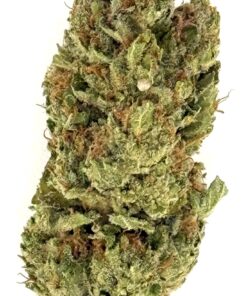
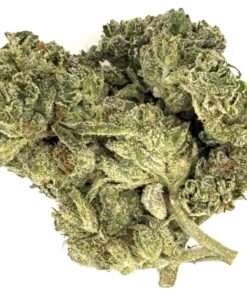
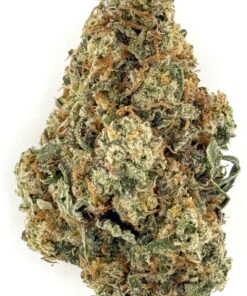
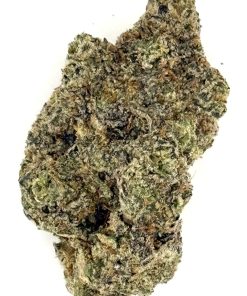
For NYC shoppers, a COA matters because cannabis products vary widely by category. A jar of flower may show total THC, THCA, moisture, and terpene percentages. A vape may focus on THC potency, residual solvents, and hardware-related quality details. An edible may list milligrams per package and per serving. When you compare those numbers before you shop online, you make a more informed choice.
MetroBud has served New Yorkers since 2020 as a family-owned, 100% Latino and disabled combat veteran-owned cannabis delivery service. Our team helps customers understand product categories, effects, and ordering basics without overcomplicating the experience.
✅ Did you know? A high THC percentage does not automatically mean a better experience. Terpenes, serving size, product format, freshness, and your tolerance all shape how cannabis feels.
Start With the Batch Number, Product Name, and Date
The first COA section to check is not the THC number. Start with identity. A trustworthy cannabis COA should match the product you plan to order. Look for the product name, brand or producer, batch number, lot number, sample date, and report date. If the report does not match the package or menu listing, ask questions before you buy.
Dates matter too. Cannabis changes over time, especially flower. Terpenes can fade, moisture can shift, and older products may feel different from a fresh batch. A recent COA does not guarantee perfection, but it gives you a better snapshot than an outdated report from a different harvest or production run.
Use this quick identity checklist before you order:
- Product name matches the menu item
- Batch or lot number appears on the package or listing
- Lab name and report date appear clearly
- Category matches the item: flower, vape, edible, or concentrate
- Potency units make sense for the format
If you need help choosing a product by category, browse MetroBud’s current online menu or review our FAQ for ordering basics, ID requirements, and delivery information.
How to Read THC, THCA, CBD, and Total Cannabinoids
The cannabinoid section tells you the potency profile. For flower, you will often see THCA and THC listed separately. THCA is the acidic form that converts into THC with heat. That is why many flower reports include “Total THC,” which estimates the activated THC potential after decarboxylation. The common formula adjusts THCA because conversion loses some mass.
For vapes and concentrates, the report may show THC as the dominant cannabinoid because the product has already gone through processing. For edibles, potency usually appears in milligrams, not percentages. That distinction matters. A 10 mg gummy serving and a 25% THC flower strain do not compare directly because the body processes inhaled and ingested cannabis differently.
CBD, CBG, CBC, and CBN can also appear on a COA. CBD may soften the feel for some consumers, while CBN often appears in aged cannabis or specific formulations. Minor cannabinoids do not guarantee a specific effect, but they help you understand the product’s full chemical profile. If you shop for edibles and gummies, pay close attention to milligrams per serving and total milligrams per package.
Check Safety Tests: Microbials, Pesticides, Solvents, and Metals
The safety panel is where a COA earns its value. Good lab results do more than advertise potency. They also screen for substances that should not exceed state or lab-defined limits. Depending on the product type, you may see tests for microbial contaminants, mycotoxins, pesticides, heavy metals, residual solvents, moisture, and water activity.
Here is what those terms mean in everyday language:
- Microbials: Screens for bacteria, yeast, mold, and related organisms.
- Mycotoxins: Checks for toxins that certain molds can produce.
- Pesticides: Looks for agricultural chemicals that should not exceed allowed limits.
- Heavy metals: Tests for metals such as lead, arsenic, cadmium, and mercury.
- Residual solvents: Especially relevant for extracts, vapes, and concentrates made with solvents.
- Water activity: Helps indicate whether flower conditions could support microbial growth.
Most reports use terms like “pass,” “ND,” “LOQ,” or measured values. “ND” usually means not detected. “LOQ” means limit of quantitation, or the lowest amount the lab can reliably measure. A passing result should fall below the listed action limit. If a report only shows potency and skips safety testing, treat it as incomplete information.
Terpenes and Effects: Useful, Not Absolute
Terpenes are aromatic compounds that influence smell and flavor. Some COAs list dominant terpenes such as myrcene, limonene, caryophyllene, linalool, pinene, or humulene. These compounds may contribute to the overall experience, but they do not work like simple effect buttons. A product with limonene does not guarantee energy, and myrcene does not guarantee sleep.
Still, terpene data helps when you know what you like. If citrus-forward products usually suit you, limonene-rich options may catch your eye. If you prefer peppery or earthy notes, look for caryophyllene and myrcene. For vape carts and disposables, terpene information can help you compare flavor profiles and extract styles, while potency data helps you gauge strength.
At MetroBud, we recommend combining COA details with your own tolerance, desired format, and schedule. Newer consumers often do better by starting low, especially with edibles, then waiting long enough before taking more.
Red Flags Before You Order Weed Delivery Online
A COA should make ordering easier, not more confusing. Before you place a cannabis delivery order, watch for red flags that suggest the report does not provide enough confidence. These signs do not always prove a product is bad, but they should prompt a closer look.
- The COA has no batch or lot number.
- The product name on the report does not match the item.
- The report date looks very old for a fresh flower item.
- Potency looks unrealistic for the category.
- The lab result shows only cannabinoids and no safety panel.
- Serving size on an edible package seems unclear.
- The QR code or report link leads to a different product.
When you choose MetroBud for NYC delivery areas, you can order flower, vapes, edibles, concentrates, pre-rolls, and accessories through a streamlined menu. MetroBud requires customers to be 21+ with valid government-issued ID and offers discreet same-day delivery service across covered neighborhoods.
How MetroBud Helps NYC Customers Shop With Confidence
Reading a COA gives you control. It helps you match potency to your tolerance, check safety categories, and understand product format before your order arrives. It also helps you ask better questions. Instead of choosing only by strain name or THC percentage, you can compare the full profile.
MetroBud focuses on fast, reliable, discreet cannabis delivery and pickup options for New Yorkers. Our menu includes stocked categories such as flower, vape cartridges and disposables, edibles and gummies, concentrates, pre-rolls, and accessories. You can learn more about our veteran-owned story on the About MetroBud page, then choose what fits your preferences.
If you ever feel unsure about a product category, serving size, or ordering step, contact our team before you place an order. We would rather help you choose responsibly than have you guess. Ready to use what you learned? Review the menu, compare product details, and order cannabis delivery from MetroBud today.
FAQ: Cannabis COAs in NYC
What does COA mean for cannabis?
COA means Certificate of Analysis. It is a lab report that shows cannabinoid potency and, when included, safety testing results for a specific cannabis batch.
What is the most important number on a cannabis COA?
There is no single most important number. Check the batch match, total THC or milligrams per serving, safety test results, and report date together.
Is higher THC always better?
No. Higher THC can feel stronger, but terpenes, product format, dose, freshness, and personal tolerance all affect the experience.
Do edibles and flower use the same potency measurements?
No. Flower usually uses percentages, while edibles usually use milligrams per serving and total milligrams per package.